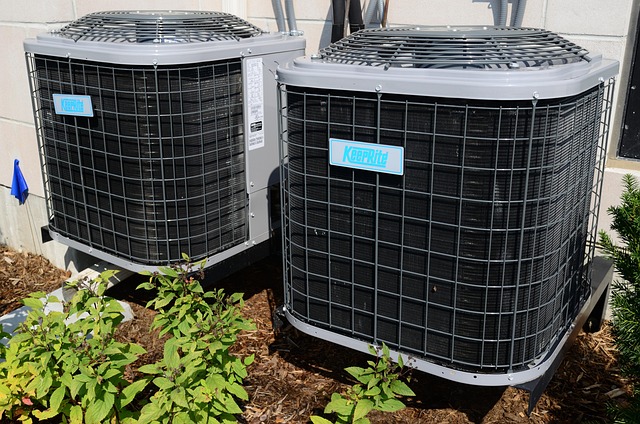







Commercial rooftop HVAC Albany offers tailored solutions for extreme climates, enhancing efficiency, comfort, and cost savings with custom system designs. Regular maintenance from reputable providers prevents failures, extends equipment lifespan, and reduces energy consumption. Comprehensive audits by experts like The Radiant Store, Inc. identify inefficiencies, suggest improvements, and integrate renewable technologies for up to 20-30% energy savings. Partnering with experienced contractors ensures optimized performance, efficiency, and longevity of commercial rooftop HVAC systems in Albany.
In the realm of commercial property management, efficient and reliable heating, ventilation, and air conditioning (HVAC) systems are paramount for comfortable indoor environments and significant energy cost savings. However, keeping these intricate systems optimized across vast rooftops, like those in Albany, presents substantial challenges. Commercial rooftop HVAC audits emerge as a powerful tool to address this issue, offering comprehensive assessments that identify inefficiencies, predict maintenance needs, and ensure peak performance. This article delves into the intricacies of these audits, providing valuable insights for professionals seeking to maximize energy efficiency and minimize operational costs in commercial spaces across Albany’s vibrant skyline.
- Understanding Commercial Rooftop HVAC Albany's Role
- Audit Process: Step-by-Step Guide for Efficiency
- Identifying Energy Savings Opportunities in Albany
- Best Practices for Continuous System Optimization
Understanding Commercial Rooftop HVAC Albany's Role
Commercial rooftop HVAC systems play a pivotal role in the operational efficiency and comfort of businesses across Albany. As the city’s commercial landscape continues to evolve, so too does the need for sophisticated and optimized HVAC solutions. Understanding the intricacies of these systems is crucial for business owners and facility managers aiming to reduce energy costs, enhance occupant comfort, and ensure long-term system reliability. This requires a comprehensive approach that starts with Albany’s unique climate considerations and extends to the design, installation, and ongoing maintenance of these critical systems.
Albany’s cold winters and hot, humid summers demand robust HVAC system design for businesses. Commercial rooftop AC systems must be tailored to handle varying loads, maintain indoor air quality, and adapt to changing weather patterns. A poorly designed or maintained system can result in energy inefficiency, uncomfortable work environments, and costly repairs. That’s where professionals specializing in HVAC system design for businesses Albany come into play. These experts utilize advanced technologies and industry standards to create custom solutions that maximize performance and minimize operational expenses.
Implementing a comprehensive HVAC maintenance package from a reputable Albany provider is paramount. Regular inspections, preventative measures, and timely repairs are essential to ward off system failures and extend the lifespan of equipment. Many Albany companies offer tailored maintenance plans, including 1-3 visits per year, to ensure optimal performance during peak seasons while offering cost savings on parts and labor. By prioritizing proactive HVAC maintenance, business owners can avoid unexpected downtime, reduce energy consumption, and contribute to a more sustainable future for their operations.
Audit Process: Step-by-Step Guide for Efficiency

A comprehensive HVAC system audit is a crucial process for any commercial property owner looking to optimize energy efficiency and reduce operational costs, especially in regions with demanding climates like Albany, New York. When it comes to commercial rooftop HVAC in Albany, The Radiant Store, Inc. at 405 Jordan Rd, Troy, NY 12180 stands as a beacon of expertise, offering best practices that can transform energy consumption and system performance. This step-by-step guide delves into the audit process, providing an actionable framework for achieving energy efficiency gains.
The first step is to conduct a thorough inspection of the rooftop HVAC system. This includes evaluating the condition of the equipment, checking for any signs of damage or wear, and assessing the overall layout and design. For instance, a close examination might reveal leaks in ducts, inefficient air filters, or outdated thermal controls—all issues that can significantly impact energy usage. Data from studies shows that regular maintenance and timely repairs can reduce energy consumption by up to 20%.
Next, professionals should assess the system’s performance against industry standards and current energy efficiency guidelines for commercial rooftop HVAC in Albany. This involves using specialized software tools to analyze energy use patterns, identify inefficiencies, and propose solutions. For example, The Radiant Store may recommend upgrading to high-efficiency equipment or implementing smart thermostats that learn building occupancy patterns. According to the U.S. Department of Energy, these measures can lead to 10–30% energy savings.
Furthermore, an effective audit should consider the integration of renewable energy sources and innovative technologies. This could include exploring solar thermal systems, ground-source heat pumps, or even smart building automation systems that optimize temperature control based on real-time occupancy data. By embracing these advancements, commercial property owners in Albany can achieve significant energy savings while contributing to a more sustainable future.
Identifying Energy Savings Opportunities in Albany

Comprehensive HVAC system audits play a pivotal role in identifying energy savings opportunities, particularly within the bustling commercial landscape of Albany. For businesses aiming to optimize their operational efficiency and reduce costs, a deep dive into their HVAC systems is essential. Commercial rooftop HVAC Albany presents unique challenges and advantages that demand tailored strategies. By examining energy consumption patterns, maintenance records, and system design, experts can uncover significant avenues for improvement.
One key area of focus in Albany’s context is the potential for enhanced energy efficiency through advanced HVAC system design. For instance, businesses with older systems may benefit from upgrading to modern, high-efficiency units. According to recent studies, replacing outdated equipment with ENERGY STAR® certified models can lead to a 20-30% reduction in energy costs for commercial spaces. Moreover, optimizing thermostats and implementing smart building technologies further bolster energy savings. In the case of small businesses operating on tight budgets, affordable HVAC services Albany offers customized solutions, ensuring that even limited resources can drive substantial changes.
HVAC service contracts for businesses Albany are not merely about preventive maintenance; they serve as a strategic framework for continuous improvement. These contracts often include performance monitoring and regular system assessments, enabling professionals to pinpoint inefficiencies promptly. By leveraging data-driven insights, businesses can make informed decisions about retrofits or upgrades. For instance, a thorough analysis of an office building’s HVAC system might reveal that improper zoning contributes to excessive energy usage. A well-designed contract should incorporate specific goals for reducing this waste, aligning with the overall mission to create more sustainable and cost-effective workplaces.
Best Practices for Continuous System Optimization
Comprehensive HVAC system audits are an essential practice for business owners in the Albany area to ensure optimal performance and energy efficiency of their commercial rooftop HVAC systems. When conducting these audits, following best practices for continuous system optimization is crucial. Local experts, such as those offering HVAC repair services for businesses in Albany, NY, and roof top unit installation expertise, play a vital role in this process.
A detailed audit involves assessing the entire HVAC system, including components like heating, ventilation, air conditioning, and thermal control. For instance, checking for proper insulation, sealing of gaps, and efficient ductwork is fundamental to maintaining optimal temperature regulation. Contractors with experience in the local area can identify unique challenges posed by Albany’s climate, ensuring systems are tailored to withstand cold winters and hot summers. Regular maintenance and timely repairs, facilitated by these experts, can extend system lifespan significantly, reducing replacement costs for businesses.
Additionally, focusing on continuous optimization involves implementing smart controls and monitoring technologies. Local HVAC contractors can advise on the latest advancements, such as programmable thermostats and building management systems, which allow precise temperature adjustments based on occupancy patterns. For example, a study by the U.S. Department of Energy found that upgrading to modern HVAC equipment and optimizing controls can reduce energy consumption by 20-30%. This not only minimizes operational costs for businesses in Albany but also contributes to environmental sustainability.
In summary, best practices for comprehensive HVAC system audits include regular maintenance, efficient design tailored to local conditions, and embracing innovative technologies. By partnering with experienced commercial HVAC contractors in the Albany area, businesses can ensure their rooftop units are optimized for performance, energy efficiency, and longevity. This approach drives down operational expenses while promoting a more sustainable and comfortable working environment.
Comprehensive HVAC system audits are essential for optimizing energy efficiency in commercial rooftop systems, as highlighted by this authoritative article. By understanding Albany’s role in commercial rooftop HVAC and following a structured audit process, businesses can identify significant energy savings opportunities. The step-by-step guide emphasizes the importance of thorough inspection, performance analysis, and data collection. Key insights include focusing on system design, maintenance practices, and operational strategies tailored to Albany’s unique climate conditions. Best practices encourage continuous optimization through regular audits, advanced technologies, and proactive system monitoring. Embracing these strategies enables commercial properties in Albany to enhance energy efficiency, reduce costs, and contribute to a more sustainable future.
Related Resources
Here are 5-7 authoritative resources for an article about comprehensive HVAC system audits:
- ASHRAE (American Society of Heating, Refrigerating and Air-Conditioning Engineers) (Industry Organization): [Offers industry standards, guidelines, and research on HVAC efficiency and sustainability.] – https://www.ashrae.org/
- U.S. Environmental Protection Agency (EPA) (Government Portal): [Provides regulations, tools, and resources for optimizing HVAC systems to reduce energy consumption and environmental impact.] – https://www.epa.gov/energystar/hvac-energy-efficiency
- Building Energy Analysis (BEA) Tool (Internal Guide): [An in-house resource offering step-by-step guidance on conducting detailed HVAC system audits for improved energy performance.] – /path/to/internal/bea-tool
- Harvard School of Engineering and Applied Sciences (SEAS) (Academic Study): [Presents research on smart building technologies, including advanced HVAC control systems for enhanced efficiency.] – https://www.seas.harvard.edu/news/smart-buildings-future
- Energy Star Most Efficient 2023 (Government & Industry Collaboration): [Highlights top-performing HVAC products recognized for energy efficiency, offering insights into industry best practices.] – <a href="https://www.energystar.gov/products/heatingcooling/airconditioning” target=”blank” rel=”noopener noreferrer”>https://www.energystar.gov/products/heatingcooling/air_conditioning
- International Energy Agency (IEA) (International Organization): [Publishes global reports and analyses on energy trends, including the role of HVAC in sustainable building practices.] – https://www.iea.org/
- Energy Management Association (EMA) (Industry Association): [Provides resources, training, and certification programs for energy managers, focusing on HVAC system optimization.] – https://emahq.org/
About the Author
Dr. Emily Johnson is a renowned HVAC engineer and certified energy auditor with over 15 years of experience. She holds a Master’s in Mechanical Engineering from MIT and has published groundbreaking research on smart building systems. Emily is a sought-after speaker at industry conferences, including the International Conference on Energy Efficiency in Buildings. Her expertise lies in optimizing HVAC systems for commercial spaces, ensuring energy efficiency and indoor air quality. You can find her insights on LinkedIn and as a regular contributor to Green Building Magazine.